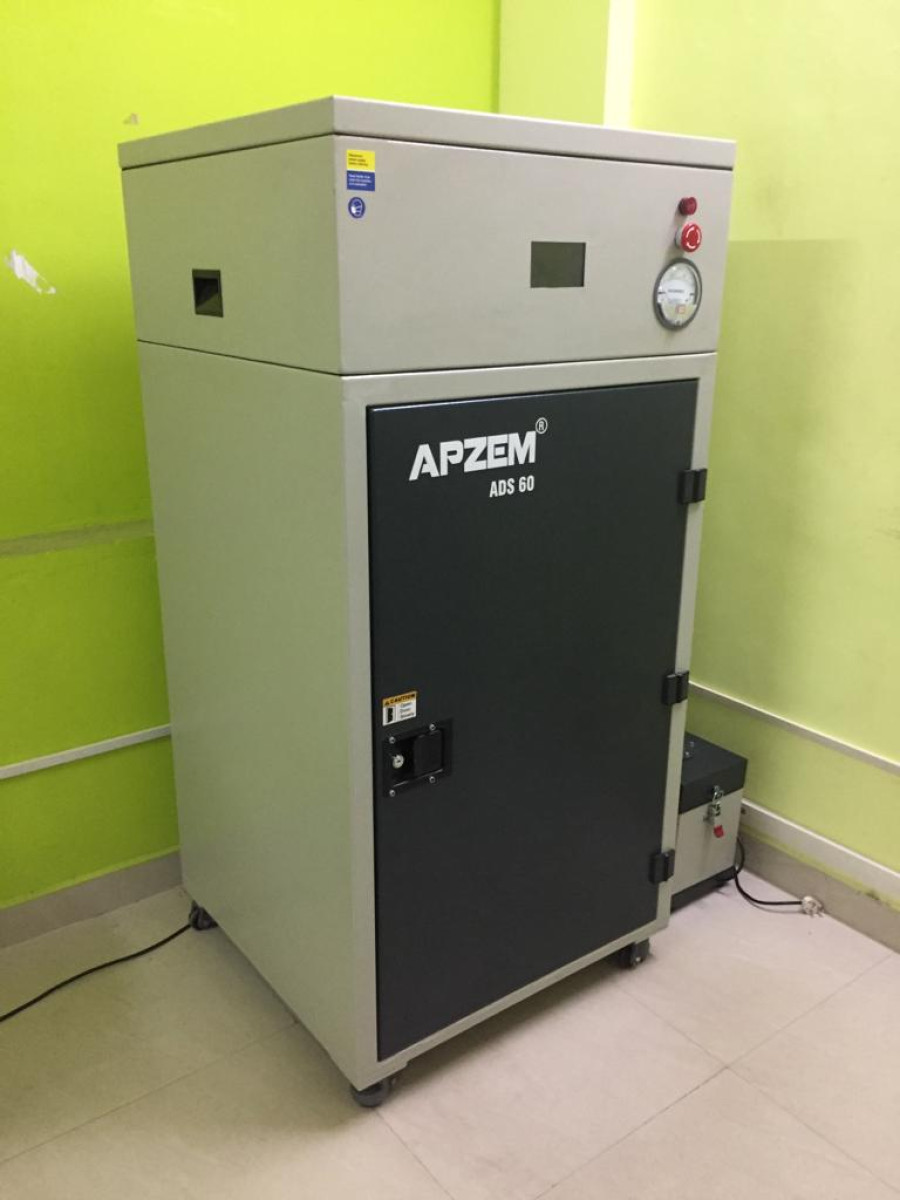
The ChallengeOur client, an esteemed electronic research institute, approached us with a complex challenge: treating a mixture of chlorine/halide gases (approximately 1-10% by volume) with krypton (90-99%) generated during their UV lamp experiments. This unique combination of gases required an advanced and reliable solution to ensure safe and efficient gas treatment.The Solution: Dry Scrubbing Tec...
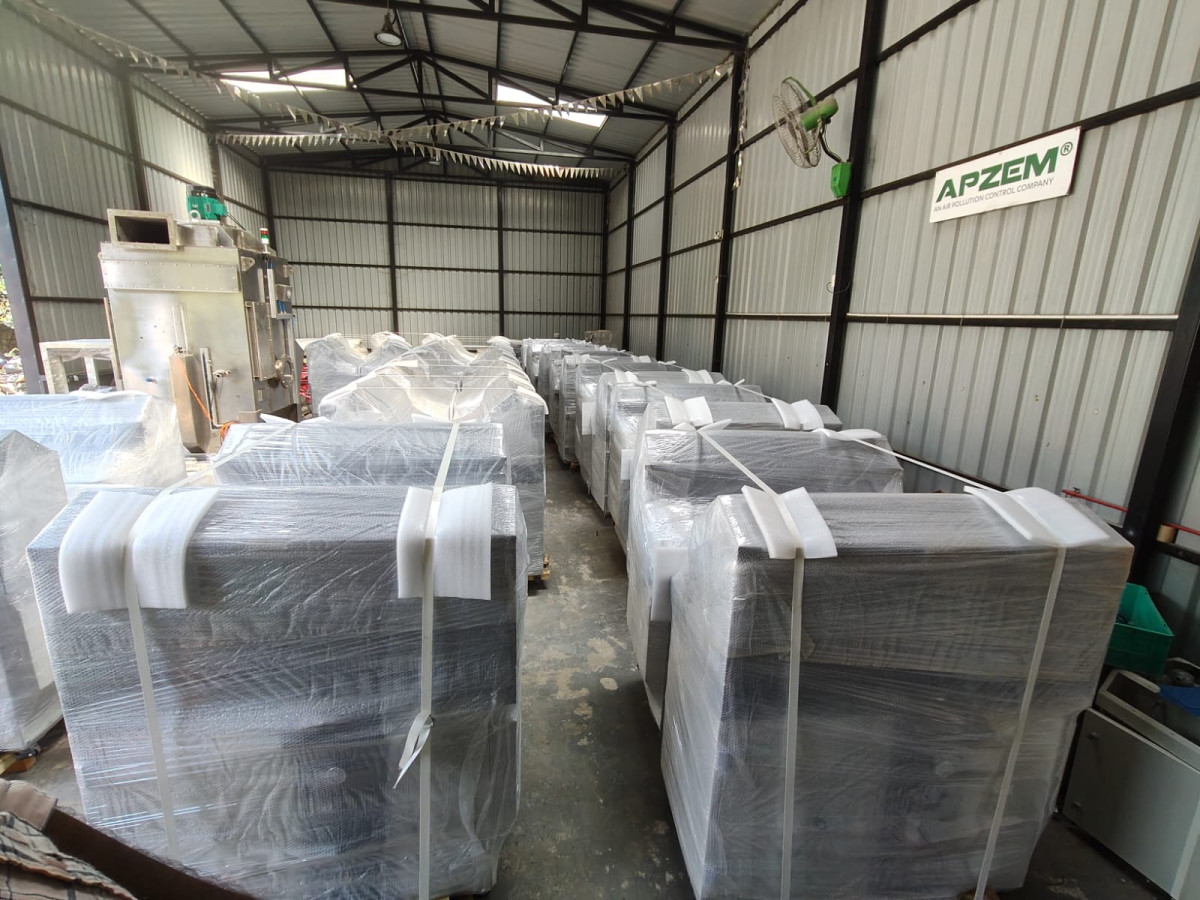
Apzem Successfully Supplied 34 Downdraft Tables with Fire Safety Protection for Aluminium Buffing at a Bus Bar Manufacturing FacilityApzem proudly announces the successful design, manufacture, and supply of 34 numbers of downdraft tables for aluminium buffing operations at a reputed bus bar manufacturing unit. This project was executed with a strong emphasis on operator safety, aluminium dust cont...
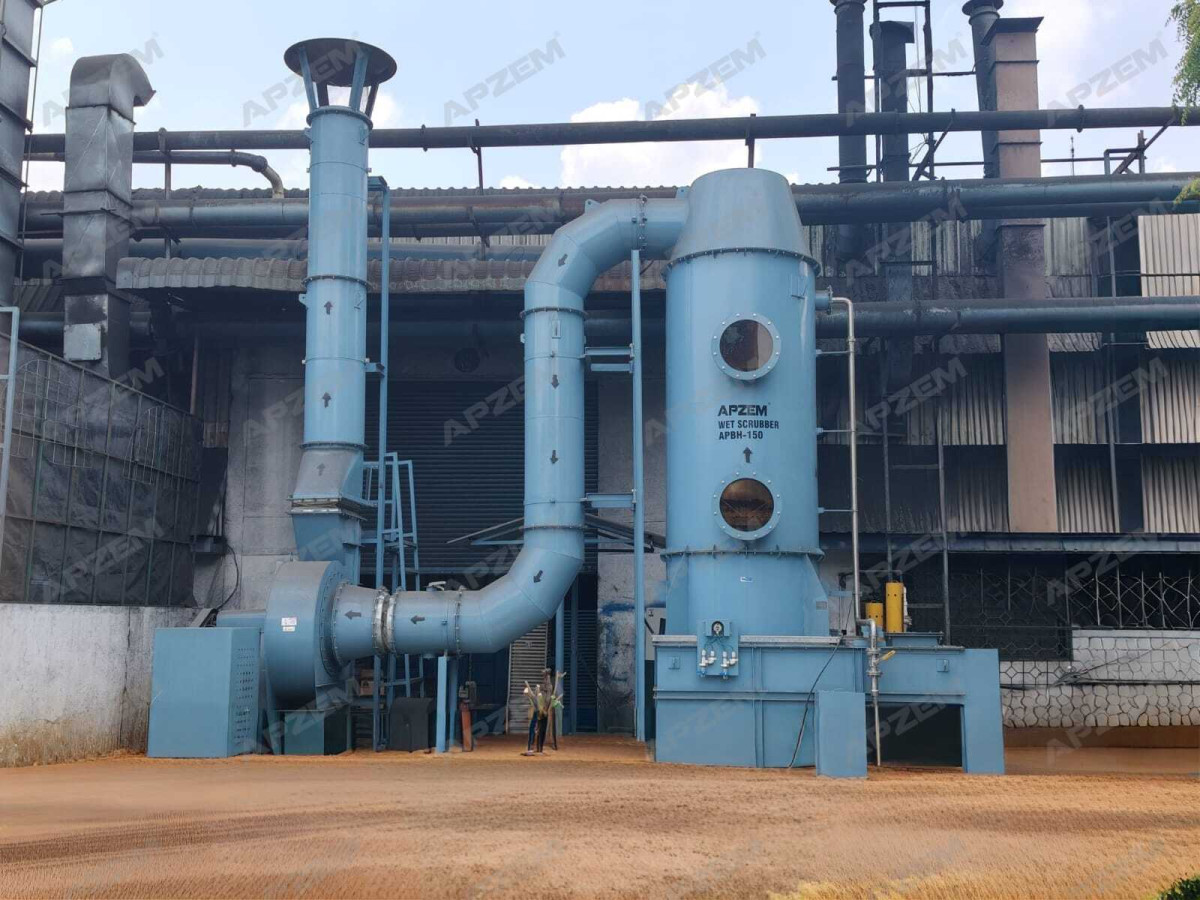
A modern scrubber system is no longer just a pollution control requirement, it has become one of the smartest financial investments an industrial facility can make. While many companies view scrubbers as mandatory equipment to meet environmental norms, the truth is that the right scrubber can reduce your plant’s operating costs by up to 40%, delivering remarkable long-term savings in energy, water...
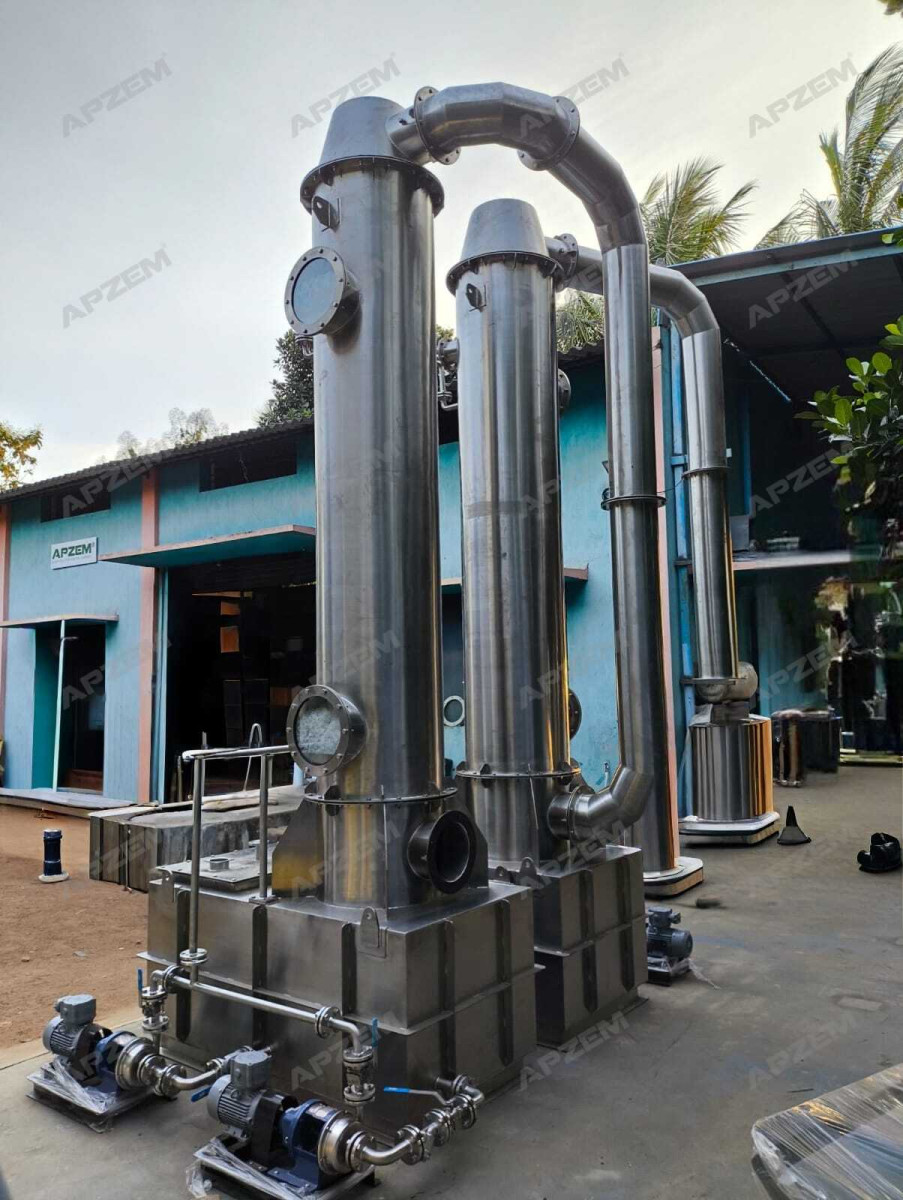
Air pollution issues in industrial environments rarely begin dramatically. They usually start subtly a faint odor near a wastewater treatment area, a slight haze above a factory chimney, a few employees reporting mild irritation, or community complaints that seem minor. In the early stages, these warning signs are often dismissed as temporary or harmless. But history has shown that when industries...
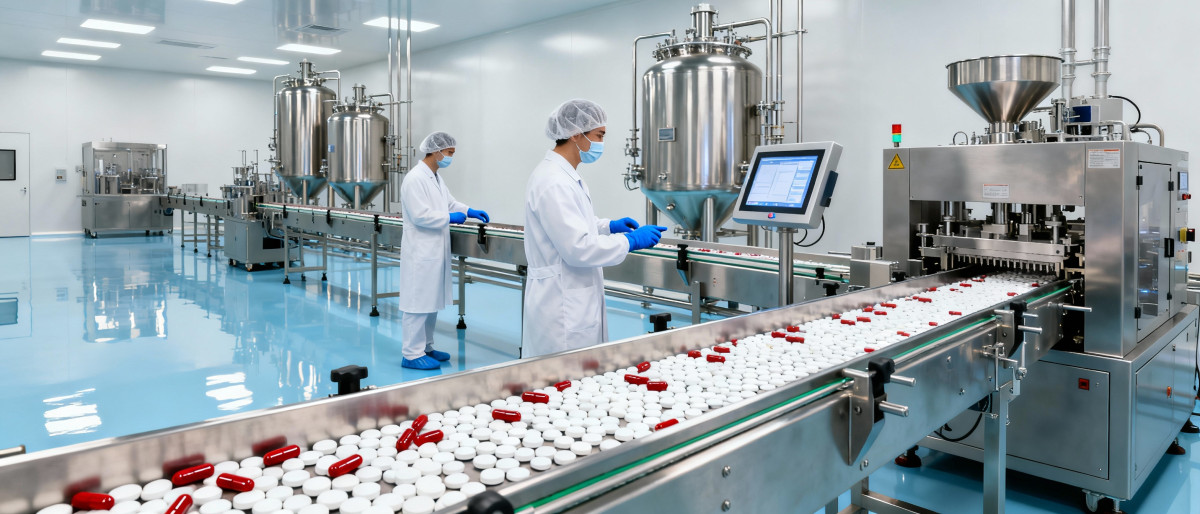
Sifting is a crucial step in pharmaceutical manufacturing, refining powders to the required particle size before formulation. But along with consistent product quality comes a hidden risk, fine particles becoming airborne. Even small dust leaks can lead to hazardous working conditions, product loss, and regulatory compliance issues.Why Dust Is a Serious ThreatDuring sifting, ultra-fine powders esc...
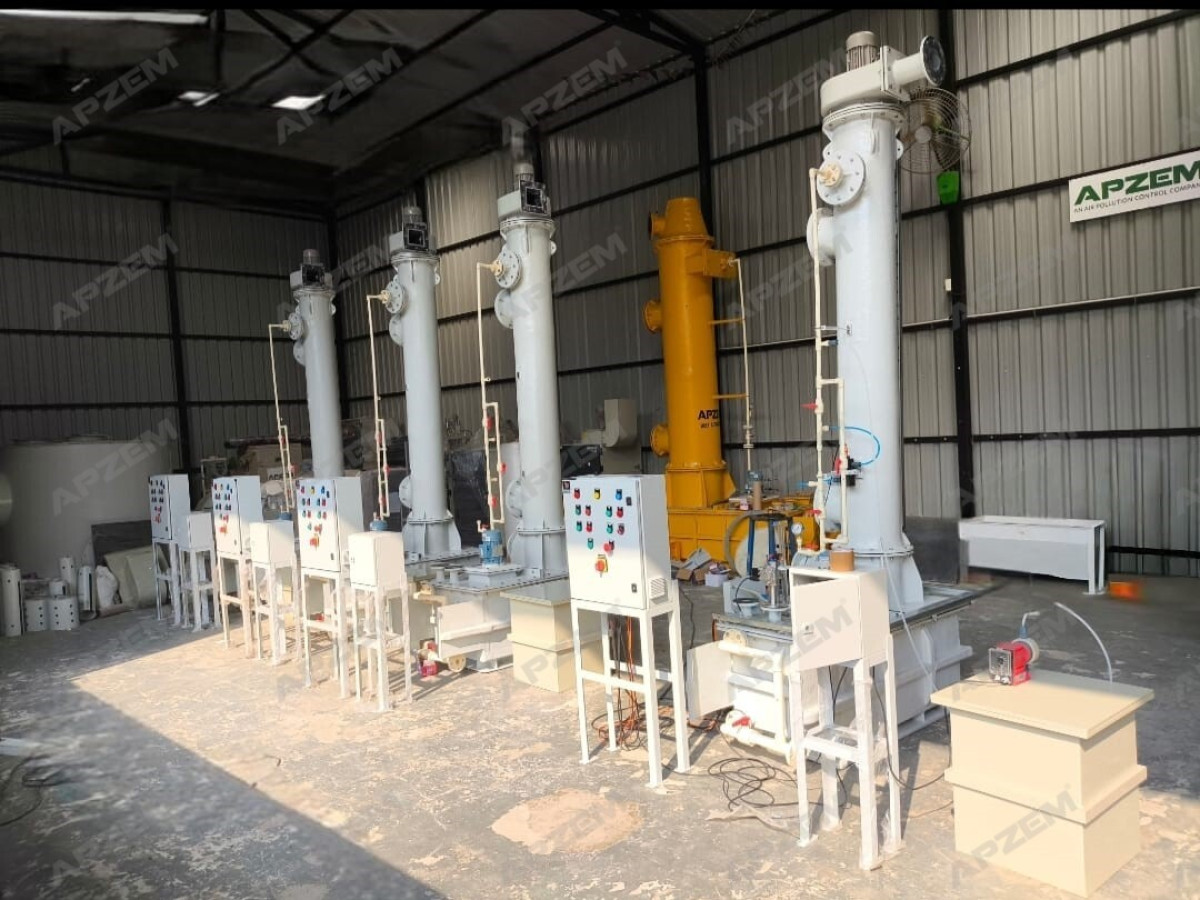
Buying a scrubber system shouldn’t feel like a one-time transaction, it should feel like the beginning of a reliable partnership In industries where emissions, odors, corrosive gases, VOCs, ammonia or acid mists are part of everyday operations, the right equipment matters, but what matters even more is what happens after installation. Because a scrubber doesn’t create value when it arrives; it cre...
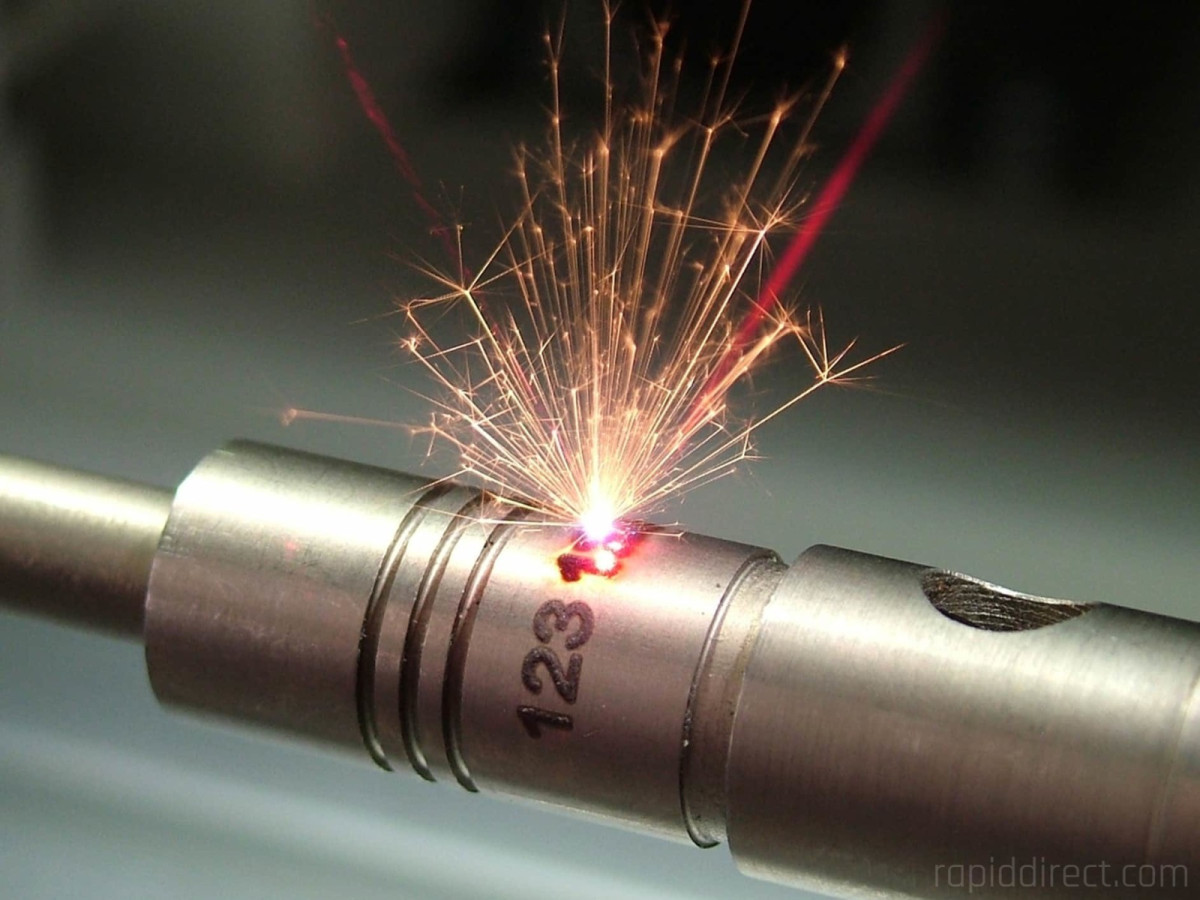
Laser marking is widely used across industries from electronics and medical devices to automotive parts because it delivers precision, clean finishes, and permanent identification. Yet behind this seemingly clean and controlled process lies an invisible risk that often goes unnoticed. The moment a laser burns, melts, or vaporizes a material, it releases a burst of ultrafine particles, harmful...
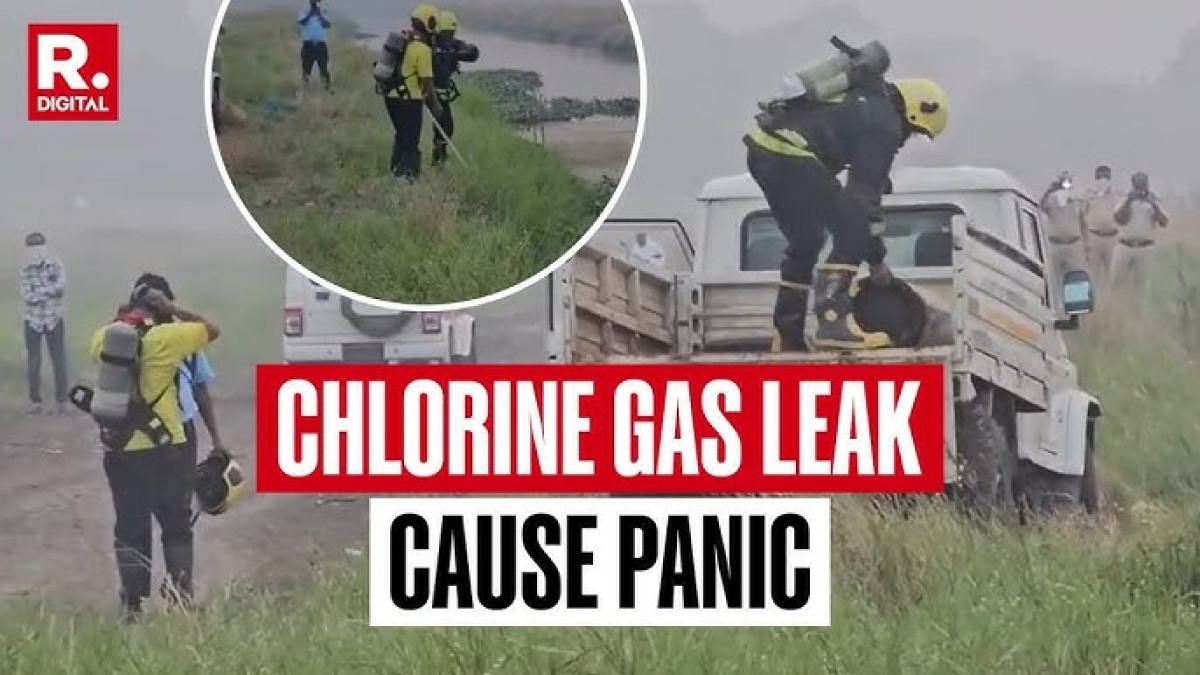
A recent chlorine gas leak in the Jaora Industrial Area of Ratlam, Madhya Pradesh, has once again highlighted the critical need for proper emergency gas-handling systems in chemical facilities. The incident occurred when chlorine escaped from a 40-kg tank at a Ferric Sulphate manufacturing unit, leading to chaos across the industrial zone and sending two factory workers and three fire officials to...
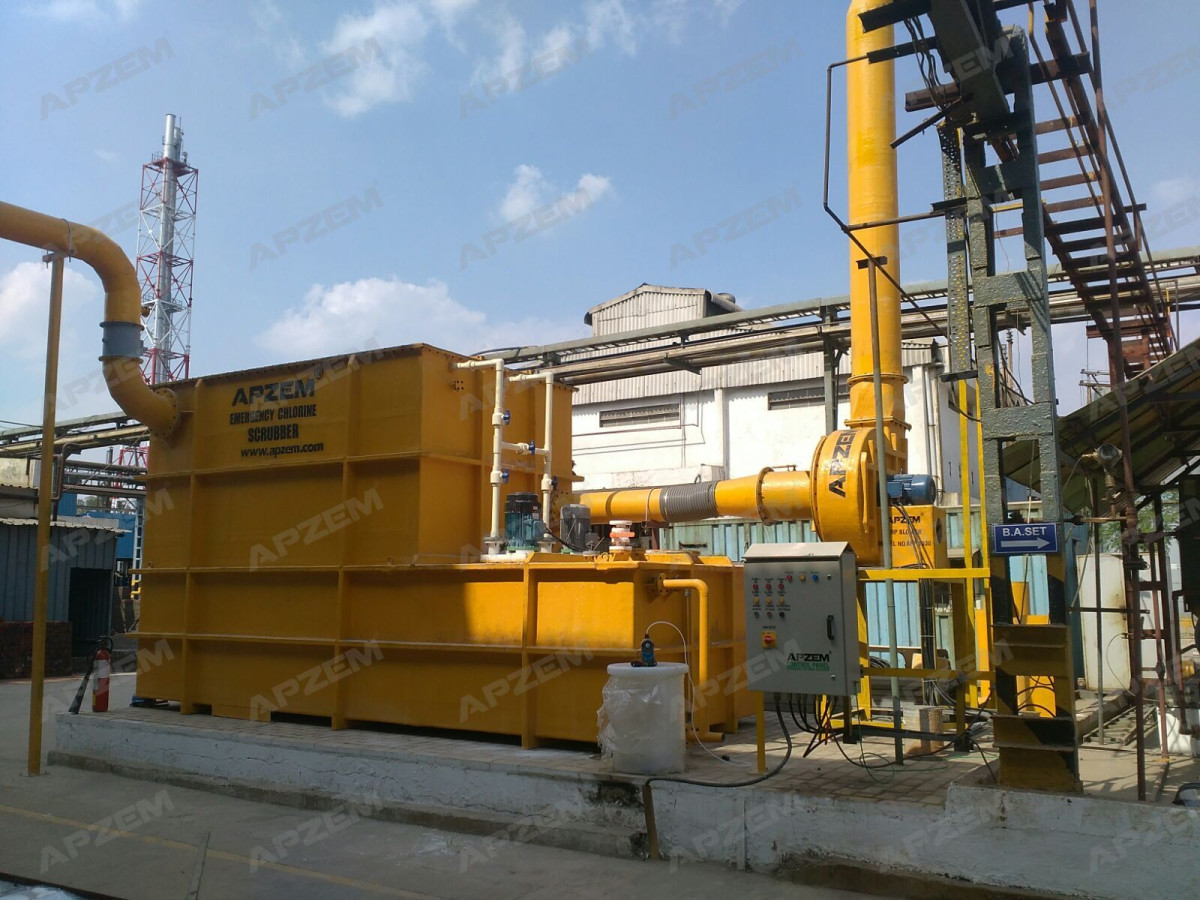
In industrial environments where hazardous chemicals like chlorine, ammonia, HF, SO₂, EO, or toxic acid mists are stored or processed, emergencies can unfold in seconds. A leaking valve, an over-pressurized tank, a cracked gasket, or a lifted safety relief valve can instantly release dangerous concentrations of gas into the air. When that happens, workers don’t have minutes to react they have seco...
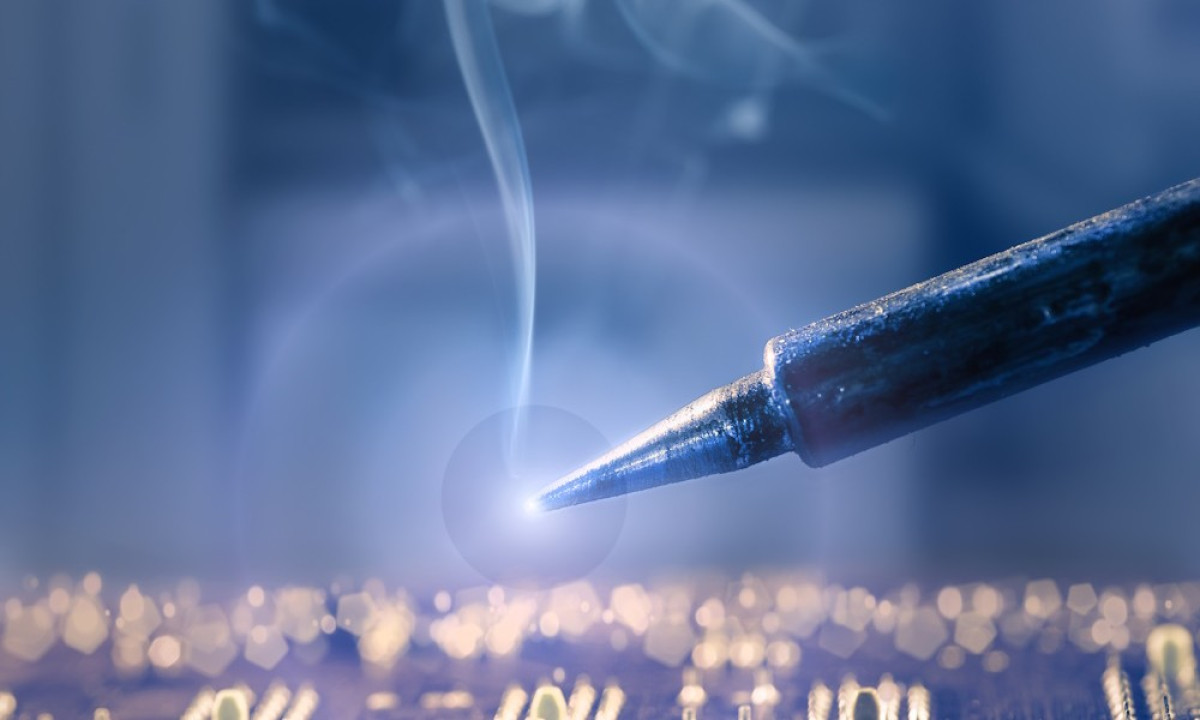
Soldering is everywhere, inside every mobile phone, circuit board, appliance, and electronic device we use daily. But have you ever wondered what actually happens the moment solder melts?Most people see only a clean, controlled process.But a silent reaction takes place right above the tip of the soldering iron…A burst of invisible fumes, chemicals, and microscopic particles rises into the air too...