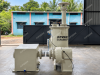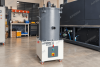
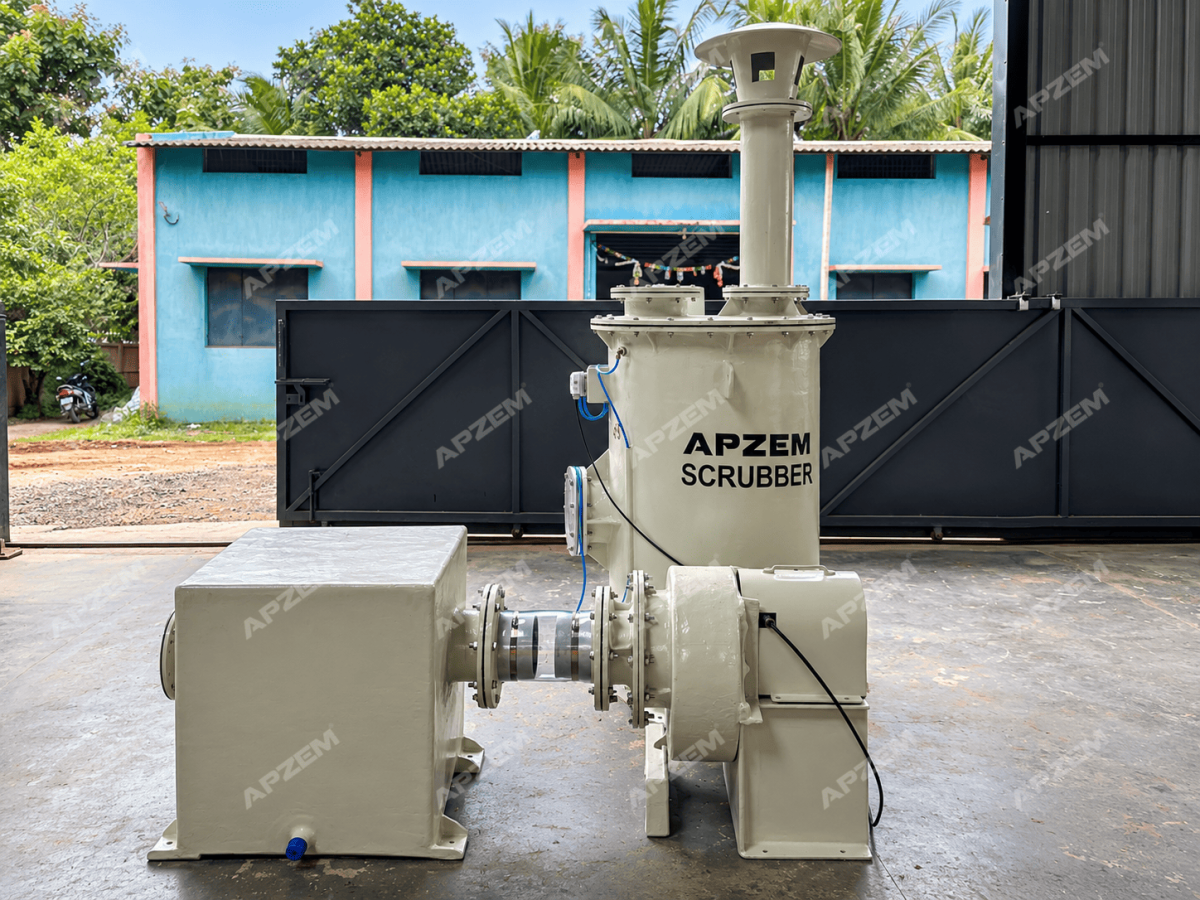
In industries controlling air pollution is a major concern, especially when dealing with hazardous gases, chemical fumes and unpleasant odors. At the time industries often face space limitations, water availability issues and the need for simple maintenance. This is where dry scrubber technology offers a solution. Unlike wet scrubbers, which use water or chemical solutions to absorb pollutants dry scrubbers use specially selected chemical media to capture or react with specific gases. This makes them suitable for industrial applications where water-based treatment may not be the preferred option. One of the advantages of a dry scrubber is its compact design. Since it does not generally require a circulating system large recirculation tanks or wastewater handling arrangements it can be easier to install in locations where available space is limited. For industries such as pharmaceuticals, electronics, chemical manufacturing and laboratories this can be a factor when selecting an air pollution control system. Another advantage is the simple operation.Contaminated gas passes through a bed of dry media, where targeted pollutants are captured or chemically neutralized. Depending on the gas being treated media such as activated carbon, impregnated carbon, activated alumina or other specialized adsorbents may be selected. However choosing the media is essential because every gas has different chemical properties and a material suitable for one pollutant may not be effective for another. Dry scrubbers are also useful for hazardous gas applications, including emergency gas treatment systems. When properly designed with media adequate contact time and the required treatment capacity they can help reduce the release of specific harmful gases. Their performance depends on factors such as inlet concentration, airflow, temperature, humidity, media quantity and the chemical compatibility of the selected adsorbent. However dry scrubbers are not maintenance-free. Over time the media becomes exhausted. Must be replaced. Regular inspection and monitoring are important to prevent breakthrough, where pollutants begin passing through the system without removal. For some applications a combination of dry scrubbing may provide better overall treatment. At APZEM Environmental dry scrubber solutions are developed around the actual process requirements with consideration of gas composition, operating conditions and the required outlet limits. A dry scrubber may occupy space but its impact, on industrial emission control can be significant. With the design and media selection it can help industries manage specific gaseous pollutants efficiently while making better use of available space and resources.