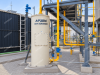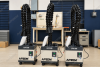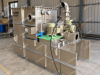
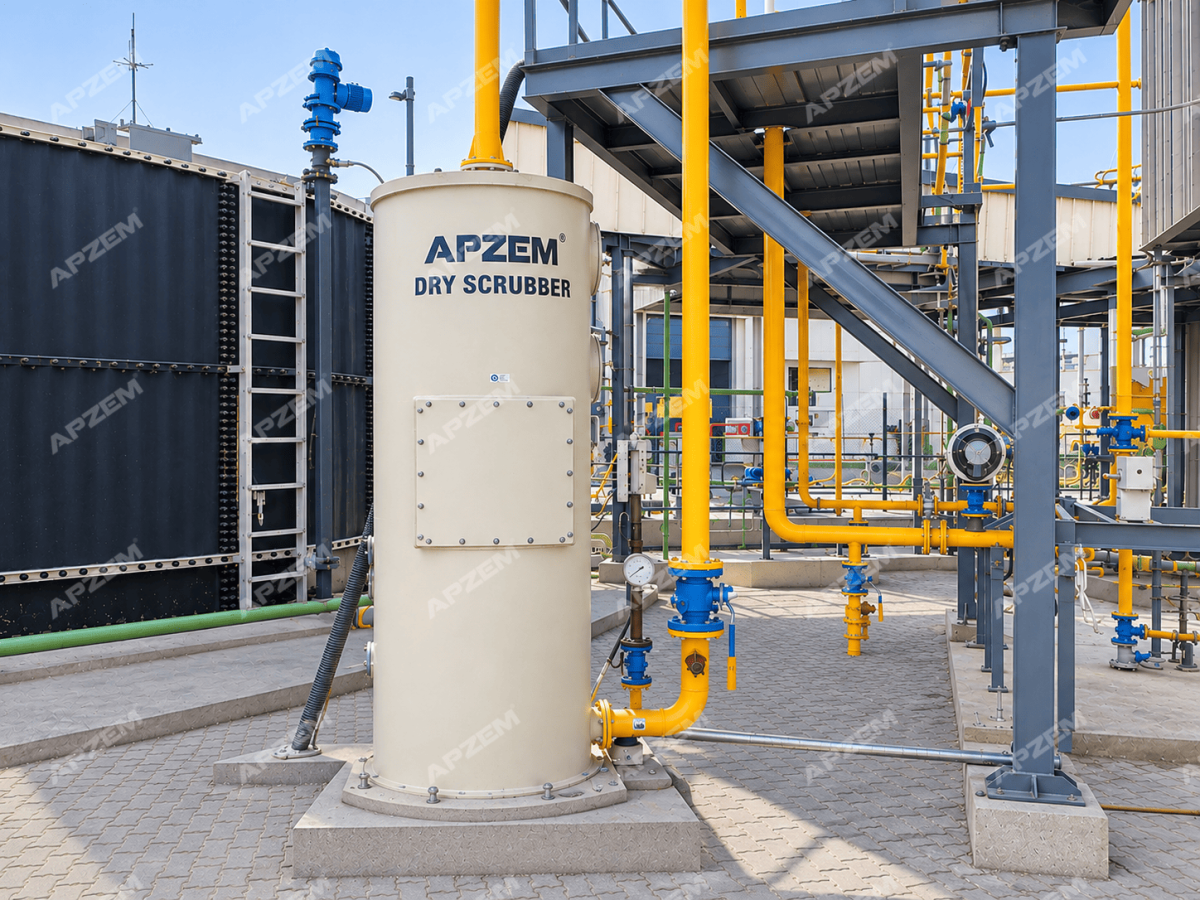
In industries, chemical fumes and Volatile Organic Compounds (VOCs) are created during manufacturing, storage, mixing, coating and other production activities. Industries like pharmaceuticals, paints, chemicals, printing and speciality manufacturing often have trouble managing these emissions. Along with making smells some VOCs can affect the air people breathe at work and add to pollution in the environment. So what is the best way to manage these emissions? In some cases dry scrubber technology can be a choice. A dry scrubber works by sending air through special materials that are chosen for the job. Unlike scrubbers, which use water or chemicals dry scrubbers usually use materials that can hold pollutants or react with them. Things like activated carbon, treated carbon and other special materials are picked depending on what kind of gas or vapor's being handled. For VOC situations activated carbon is often used because it can hold types of organic vapors on its surface. As polluted air moves through the carbon layer VOCs are caught inside the spaces of the material. This makes adsorption systems useful for controlling some kinds of solvent vapors, chemical fumes and smells.. Not all VOCs act the same. Their size, how much is there the temperature, the moisture and how fast the air moves can all change how well they are captured. One key thing to know is when the material gets full. Activated carbon can only hold much. As it takes in VOCs over time the amount it can hold goes down. Eventually the material must be changed or cleaned. If the material is not changed on time pollutants might get through the system causing a problem. So getting the size making sure there is enough time for the air to touch the material using the right amount of carbon and checking it often are all important. Dry scrubbers are not good for every type of VOC situation. If there is a lot of VOCs or a huge amount of air being moved, other choices like adsorption or catalytic oxidation might be better. At APZEM Environmental we work on picking the air pollution control methods based on what is happening in the process what kind of pollutants are there and what the rules say about the air that leaves. The best choice is not always the system or the most expensive technology. It is, about knowing what is being released and picking the method that works well for the situation.